
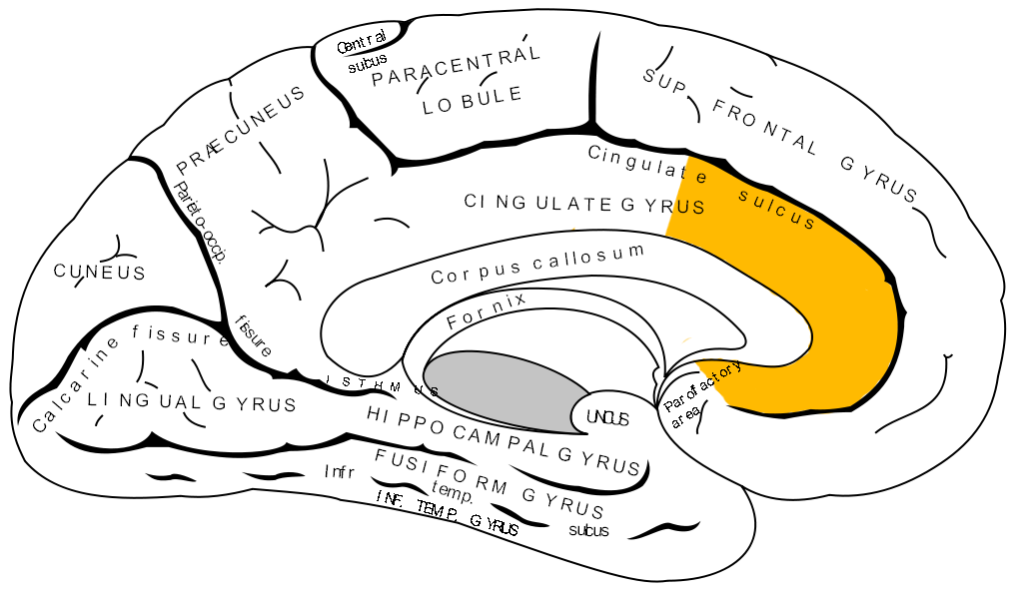
Tasks that measure cognitive control – mastery over one’s thinking – are associated with activation in areas of the frontal lobe, including the anterior cingulate gyrus and the ventrolateral prefrontal cortex.
l
For adults in substance use disorder (SUD) treatment, greater brain activation in these areas during behavioral tests of cognitive control have been associated with less marijuana and cocaine use over time.
Performance on the behavioral test, however, may not predict outcome, suggesting these fMRI brain data might offer unique information about cognitive-related risk and protective factors for treatment outcome.
Inhibitory control (the ability to control an automatic, impulsive, or default response) is a form of cognitive control that can be measured by an antisaccadic task – sometimes called “opposite eyes.” In antisaccadic tasks, individuals must shift the focus of their eyes away from a stimulus, which requires some degree of inhibiting one’s usual impulse to look toward the stimulus. Inhibitory control tends to be lower among adolescents with susbtance use disorder (SUD) compared to healthy adolescent controls, but can be improved with financial incentives.
Examining how the brain works during antisaccadic tasks may offer a neurobiological predictor or marker of treatment benefit via greater activation in brain areas associated with inhibitory control. It might also enable more in-depth understanding of how financial rewards lead to better substance use disorder (SUD) treatment outcomes.
In the current study, Chung and colleagues used functional magnetic resonance imaging (fMRI) to examine the association between brain activation during an antisaccadic task among 14 adolescents attending intensive outpatient SUD treatment.
In some of the task trials, participants believed their performance would help them earn a reward for correctly “looking away” from the stimulus. In others they believed their performance had no bearing on their earnings (although all participants earned $10 for having completed the task). A complex and sophisticated eye-tracking system, measuring angle, speed, and latency of eye movement, was used to score participants’ responses.
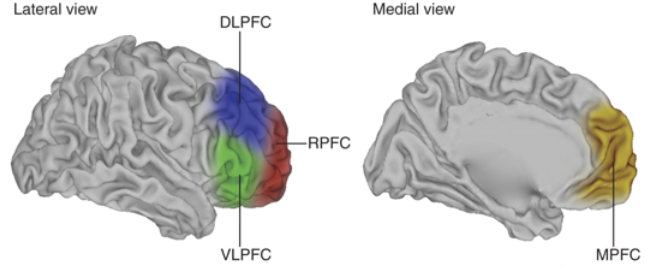
Researchers identified several brain areas to examine before the start of the study known to be associated with antisaccadic task performance (e.g., ventrolateral prefrontal cortex) and reward processing (e.g., striatum).
On average, participants were 17 years old and had an IQ in the normal range. The majority were Caucasian (93%) and male (71%). Regarding substance use disorder (SUD) profiles, 86% presented with DSM-IV marijuana use disorder, 71% with alcohol use disorder, and 50% with another drug use disorder. They completed the brain scans with 36 and 67 days of abstinence, on average, from alcohol and marijuana, respectively.
Regarding lifetime presence of co-occurring psychiatric disorders, 29% met criteria for attention-deficit/hyperactivity disorder, 21% for major depressive disorder, and 43% for conduct disorder. Primary study outcomes were frequency and total days of substance use (alcohol, marijuana, tobacco, and other drug use) during the 6 months after baseline (e.g., after the brain scan).
As hypothesized, results showed that adolescents with reductions in DSM-IV marijuana use disorder symptoms at 6-month follow-up had greater activation in the predetermined areas associated with inhibitory control and reward, but only during the task trials where adolescents thought their reward depended on performance. On the other hand, those with more marijuana use disorder symptoms over time showed less activation during the reward trials than at baseline.
Neither frequency of alcohol use, alcohol use disorder symptoms, nor marijuana use showed significant reductions from baseline to 6-month follow-up, precluding tests of associated brain changes. Performance on the antisaccadic task was not associated with any of the outcomes.
This neurobiologically-focused study adds to the emerging literature on how brain functioning can provide unique information on substance use disorder (SUD) treatment and recovery benefit not offered by behavioral tasks.
Chung, T., Paulsen, D. J., Geier, C. F., Luna, B., & Clark, D. B. (2015). Regional brain activation supporting cognitive control in the context of reward is associated with treated adolescents’ marijuana problem severity at follow-up: A preliminary study. Dev Cogn Neurosci. doi: 10.1016/j.dcn.2015.05.004

l
For adults in substance use disorder (SUD) treatment, greater brain activation in these areas during behavioral tests of cognitive control have been associated with less marijuana and cocaine use over time.
Performance on the behavioral test, however, may not predict outcome, suggesting these fMRI brain data might offer unique information about cognitive-related risk and protective factors for treatment outcome.
Inhibitory control (the ability to control an automatic, impulsive, or default response) is a form of cognitive control that can be measured by an antisaccadic task – sometimes called “opposite eyes.” In antisaccadic tasks, individuals must shift the focus of their eyes away from a stimulus, which requires some degree of inhibiting one’s usual impulse to look toward the stimulus. Inhibitory control tends to be lower among adolescents with susbtance use disorder (SUD) compared to healthy adolescent controls, but can be improved with financial incentives.
Examining how the brain works during antisaccadic tasks may offer a neurobiological predictor or marker of treatment benefit via greater activation in brain areas associated with inhibitory control. It might also enable more in-depth understanding of how financial rewards lead to better substance use disorder (SUD) treatment outcomes.
In the current study, Chung and colleagues used functional magnetic resonance imaging (fMRI) to examine the association between brain activation during an antisaccadic task among 14 adolescents attending intensive outpatient SUD treatment.
In some of the task trials, participants believed their performance would help them earn a reward for correctly “looking away” from the stimulus. In others they believed their performance had no bearing on their earnings (although all participants earned $10 for having completed the task). A complex and sophisticated eye-tracking system, measuring angle, speed, and latency of eye movement, was used to score participants’ responses.
Researchers identified several brain areas to examine before the start of the study known to be associated with antisaccadic task performance (e.g., ventrolateral prefrontal cortex) and reward processing (e.g., striatum).
On average, participants were 17 years old and had an IQ in the normal range. The majority were Caucasian (93%) and male (71%). Regarding substance use disorder (SUD) profiles, 86% presented with DSM-IV marijuana use disorder, 71% with alcohol use disorder, and 50% with another drug use disorder. They completed the brain scans with 36 and 67 days of abstinence, on average, from alcohol and marijuana, respectively.
Regarding lifetime presence of co-occurring psychiatric disorders, 29% met criteria for attention-deficit/hyperactivity disorder, 21% for major depressive disorder, and 43% for conduct disorder. Primary study outcomes were frequency and total days of substance use (alcohol, marijuana, tobacco, and other drug use) during the 6 months after baseline (e.g., after the brain scan).
As hypothesized, results showed that adolescents with reductions in DSM-IV marijuana use disorder symptoms at 6-month follow-up had greater activation in the predetermined areas associated with inhibitory control and reward, but only during the task trials where adolescents thought their reward depended on performance. On the other hand, those with more marijuana use disorder symptoms over time showed less activation during the reward trials than at baseline.
Neither frequency of alcohol use, alcohol use disorder symptoms, nor marijuana use showed significant reductions from baseline to 6-month follow-up, precluding tests of associated brain changes. Performance on the antisaccadic task was not associated with any of the outcomes.
This neurobiologically-focused study adds to the emerging literature on how brain functioning can provide unique information on substance use disorder (SUD) treatment and recovery benefit not offered by behavioral tasks.
Chung, T., Paulsen, D. J., Geier, C. F., Luna, B., & Clark, D. B. (2015). Regional brain activation supporting cognitive control in the context of reward is associated with treated adolescents’ marijuana problem severity at follow-up: A preliminary study. Dev Cogn Neurosci. doi: 10.1016/j.dcn.2015.05.004
l
For adults in substance use disorder (SUD) treatment, greater brain activation in these areas during behavioral tests of cognitive control have been associated with less marijuana and cocaine use over time.
Performance on the behavioral test, however, may not predict outcome, suggesting these fMRI brain data might offer unique information about cognitive-related risk and protective factors for treatment outcome.
Inhibitory control (the ability to control an automatic, impulsive, or default response) is a form of cognitive control that can be measured by an antisaccadic task – sometimes called “opposite eyes.” In antisaccadic tasks, individuals must shift the focus of their eyes away from a stimulus, which requires some degree of inhibiting one’s usual impulse to look toward the stimulus. Inhibitory control tends to be lower among adolescents with susbtance use disorder (SUD) compared to healthy adolescent controls, but can be improved with financial incentives.
Examining how the brain works during antisaccadic tasks may offer a neurobiological predictor or marker of treatment benefit via greater activation in brain areas associated with inhibitory control. It might also enable more in-depth understanding of how financial rewards lead to better substance use disorder (SUD) treatment outcomes.
In the current study, Chung and colleagues used functional magnetic resonance imaging (fMRI) to examine the association between brain activation during an antisaccadic task among 14 adolescents attending intensive outpatient SUD treatment.
In some of the task trials, participants believed their performance would help them earn a reward for correctly “looking away” from the stimulus. In others they believed their performance had no bearing on their earnings (although all participants earned $10 for having completed the task). A complex and sophisticated eye-tracking system, measuring angle, speed, and latency of eye movement, was used to score participants’ responses.
Researchers identified several brain areas to examine before the start of the study known to be associated with antisaccadic task performance (e.g., ventrolateral prefrontal cortex) and reward processing (e.g., striatum).
On average, participants were 17 years old and had an IQ in the normal range. The majority were Caucasian (93%) and male (71%). Regarding substance use disorder (SUD) profiles, 86% presented with DSM-IV marijuana use disorder, 71% with alcohol use disorder, and 50% with another drug use disorder. They completed the brain scans with 36 and 67 days of abstinence, on average, from alcohol and marijuana, respectively.
Regarding lifetime presence of co-occurring psychiatric disorders, 29% met criteria for attention-deficit/hyperactivity disorder, 21% for major depressive disorder, and 43% for conduct disorder. Primary study outcomes were frequency and total days of substance use (alcohol, marijuana, tobacco, and other drug use) during the 6 months after baseline (e.g., after the brain scan).
As hypothesized, results showed that adolescents with reductions in DSM-IV marijuana use disorder symptoms at 6-month follow-up had greater activation in the predetermined areas associated with inhibitory control and reward, but only during the task trials where adolescents thought their reward depended on performance. On the other hand, those with more marijuana use disorder symptoms over time showed less activation during the reward trials than at baseline.
Neither frequency of alcohol use, alcohol use disorder symptoms, nor marijuana use showed significant reductions from baseline to 6-month follow-up, precluding tests of associated brain changes. Performance on the antisaccadic task was not associated with any of the outcomes.
This neurobiologically-focused study adds to the emerging literature on how brain functioning can provide unique information on substance use disorder (SUD) treatment and recovery benefit not offered by behavioral tasks.
Chung, T., Paulsen, D. J., Geier, C. F., Luna, B., & Clark, D. B. (2015). Regional brain activation supporting cognitive control in the context of reward is associated with treated adolescents’ marijuana problem severity at follow-up: A preliminary study. Dev Cogn Neurosci. doi: 10.1016/j.dcn.2015.05.004
151 Merrimac St., 4th Floor. Boston, MA 02114